Our Work
coact in action
Explore some of the projects, resources and collaborations where we’ve put our technical knowledge and lived experience into practice
View projects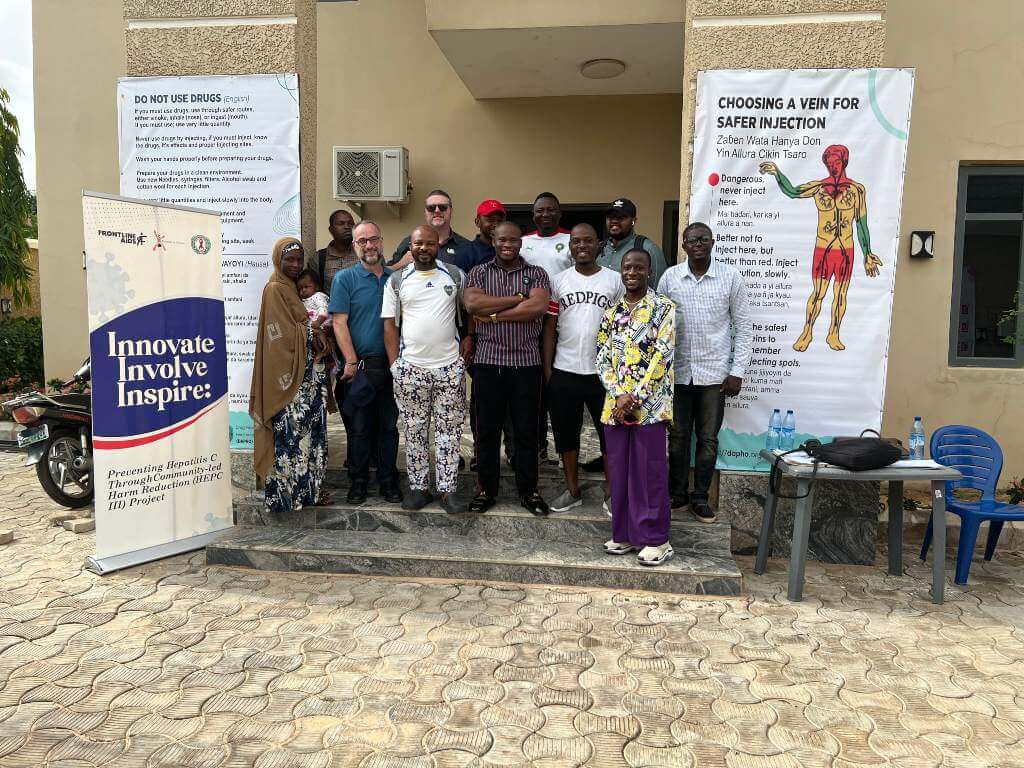
Lived experience in action
We bring lived and professional experience together to develop work that reflects the realities of people who use drugs
Practical work with real-world impact
From community consultations and training to research and advocacy, we turn knowledge into practical resources and approaches
Working across communities and systems
We collaborate with communities, organisations, researchers and policymakers to strengthen responses and support meaningful change
Our Projects
Work examples
A selection of projects where we’ve put our knowledge, experience and collaborative approach into practice
Needle & Syringe Programmes
Supporting safer injecting through practical, community-informed approaches
Stimulants
Developing practical responses to stimulant use and emerging needs
OAMT Literacy and Rights & Opioid Overdose
Improving access to clear information, client choice and overdose prevention
Drug Consumption Rooms
Supporting evidence-informed approaches to safer drug consumption
Employment of PWUD in Harm Reduction
Helping organisations create meaningful employment opportunities for people who use drugs
Ketamine
Building practical responses to ketamine use and related harms
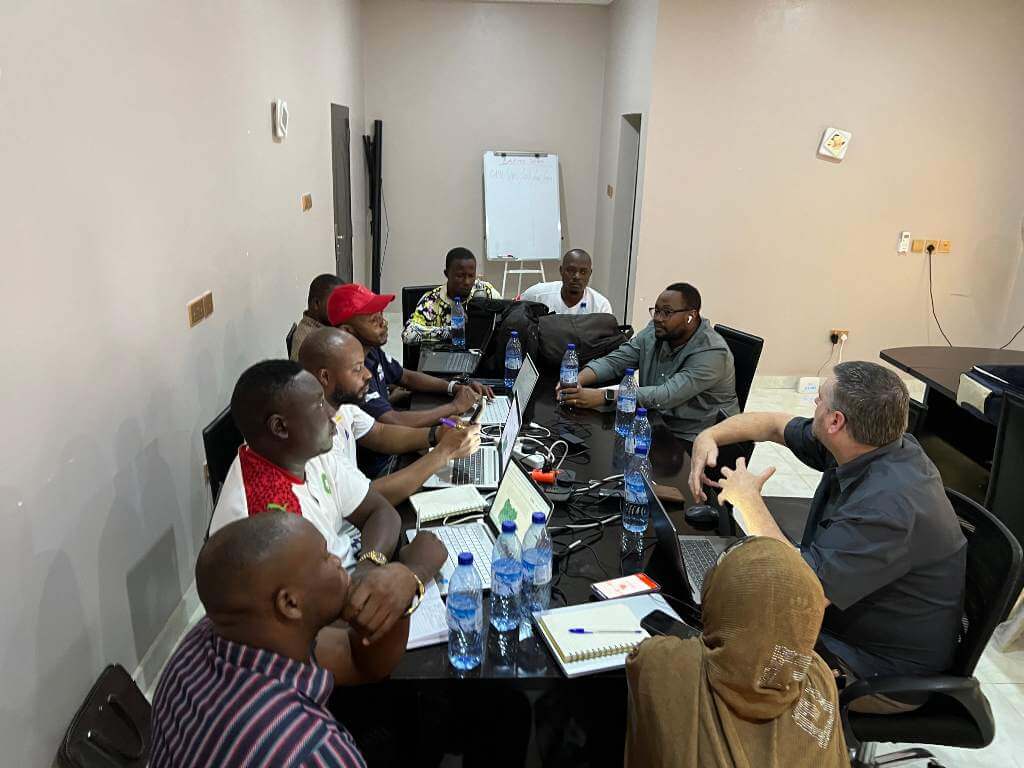
In 2019 Coact worked in Nigeria with Frontline AIDS to support the Federal Ministry of Health to work with non-governmental organisations and drug user organisations to pilot needle and syringe programmes in 3 states. Coact worked with FMoH Technical Working Group on Harm Reduction to design a training implementation programme. This course was then rolled out under the leadership of the Minister of Drug Demand Reduction across events in the capital and the three implementing states building technical capacity and support for the NSP among key community and professional stakeholders. Coact supported a participative development model that worked with people who inject drugs to test and recommended preferred injecting equipment for the pilot.
Coact has worked on a global study to support the implementation of low-dead-space syringes and needles (LDSS/N) helping to gather and understand the values and preferences of people who use drugs in different settings. This included the development of a Safer Injecting course that supports the development of baseline NSP skills. This one-day course has been deployed in implementing countries in the Unitaid LDSS/N study. It has also been promoted and rolled out on a train-the-trainers basis.
Coact has developed practice tools to support NSP workers to issue the right types and amount of injecting equipment at an NSP visit.
Coact co-produced 3 flyers that supported a street theatre intervention to help disseminate learning in Northern Nigeria where people who inject drugs did not read the State language hindering access to study client materials.
Mat Southwell was a member of the working group that supported the development of the WHO Operational Guidelines on Needles and Syringe Programmes. Mat was also a member of the European Monitoring Centre for Drugs and Drug Addiction (EMCDDA) / European Centre for Disease Prevention and Control (ECDC) that reviewed and updated the Prevention and control of infectious diseases among people who inject drugs – 2023 update.
Coact has expertise in supporting community-led harm reduction services working in high-risk settings. From Afghanistan to Myanmar to Nigeria, Coact has worked with partners on the frontlines of the war on drugs to support the implementation of harm reduction in challenging contexts. Coact has learned how to work in these contexts through partnering with strong country providers. Coact helps develop and document working practices as illustrated by this video with DAPHO’s Security Officer about running NSP in Gombe State Nigeria called Reducing Harm, Promoting Safety.
Stimulants
Coact consultants have played key roles in the development of stimulant harm reduction and have been advocates for the use of stimulant pipes as harm reduction and engagement tools. Several Coact consultants contributed to the development and drafting of the UNAIDS UNODC WHO HIV Prevention Treatment Care and Support Technical Guide. Mat Southwell has led on the development of the UNODC Stimulants and HIV Training Toolkit and different Coact Consultants brought their expertise in smoked cocaine, methamphetamine and cathinones to the course.
Mat Southwell has worked with UNODC Global HIV Programme to champion the HIV response with people who use stimulants since 2022 running catalytic training events in countries all around the world fostering multi-stakeholder conversations between governments, the United Nations, civil society and community. These events helped countries learn, share technical experiences, and plan together. The training toolkit was also developed as a e-learning course and has been promoted through virtual train-the-trainers webinars.
Alexei Lakhov developed and championed the Russian language version of the UNODC course, in addition to developing the cathinone resources.
Coact has developed a series of Stimulant Health Checks and Harm Reduction Guides in methamphetamine, cathinones and smoked cocaine.
Pipes, Peers and Prevention – Harm Reduction Strategies for People who Use Stimulant Drugs Technical Guide brings together the latest technical advice on stimulant pipe distribution along with cutting edge research from the LSHTM Safe Inhalation Pipe Provision study along with country case studies from Kyrgyzstan and Indonesia. Stimulant pipe launch webinar video.
Coact has worked with Professor Magdalena Harris from LSHTM to develop a new harm reduction toolkit on crack cocaine that includes the Crack Cocaine Health Check and Harm Reduction Guide and two supporting client leaflets on crack pipes and self-care for people who use crack.
Coact has championed access to stimulant agonists such as methylphenidate or dexamphetamine to support the expansion of treatment options for people who use stimulants.
Coact are strong advocates for opioid agonist maintenance treatment (OAMT). Mat Southwell has used his dual experience as a reforming professional head of NHS drug treatment services in the UK and an OAMT patient to champion a public health approach to harm reduction that recognises the value of providing high quality, human rights compliant OAMT. Coact has championed OAMT literacy and rights as a key component of OAMT systems that prioritise choice, client centre care, and meaningful therapeutic alliances between people with opioid dependence and
Mat is a member of the WHO Guideline Development Group on opioid dependence treatment and overdose prevention.
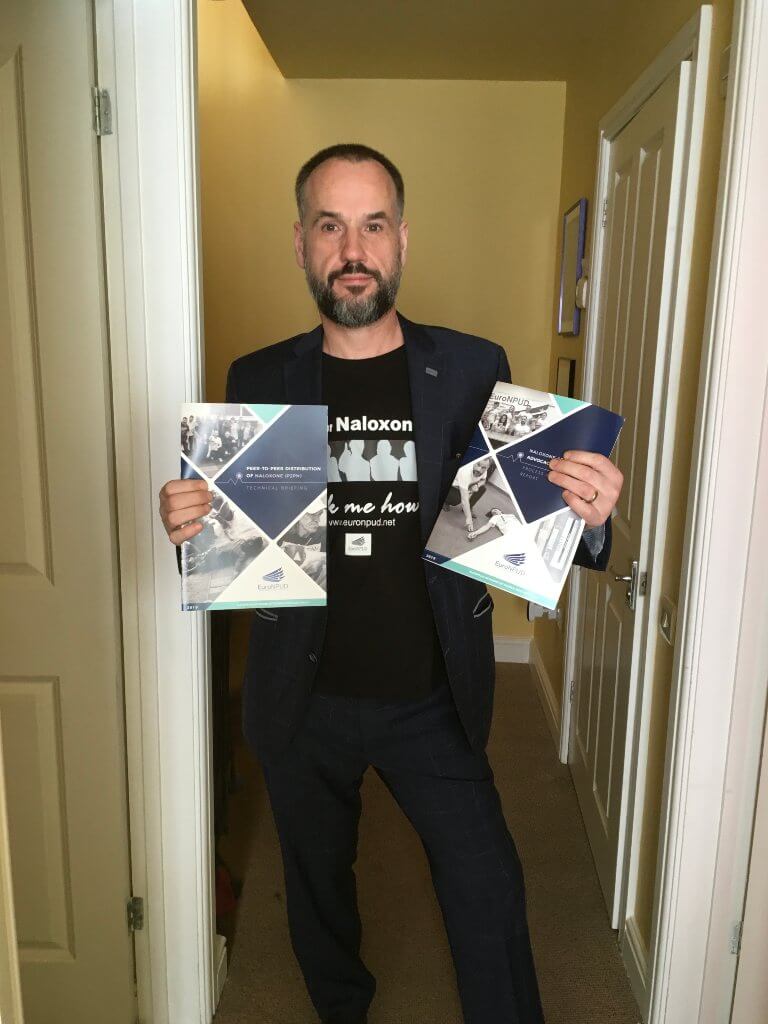
Mat wrote the first draft of the European Network of People who Use Drugs (EuroNPUD) Technical Brief on Peer-to-Peer Naloxone, which documented good practice examples of people who use drugs using their privileged access to distribute the opioid overdose reversal drug Naloxone through their peer networks. Coact supported technical training on Naloxone and advocacy for access to this life saving medication.
Coact developed the range of client materials on the Unitaid Long Acting Depot Buprenorphine (LADB) for the Unitaid LADB study in low and middle income countries. Coact developed a client guide for peer educators that supports the implementation of a LADB peer education intervention. Coact has developed and shared the LADB Client Literacy and Choice Course which Coact delivered in Kyrgyzstan and Egypt and disseminated through delivering trainers kit and train-the-trainers online course within the Unitaid consortiums.
Tatyana Sleiman has translated this toolkit into Arabic and is supporting the strengthening knowledge and understanding of OAMT in Egypt. Coact also translated the toolkit into Russian and supported its adoption in Kyrgyzstan.
Coact’s videographer Igor Kuzemenko from Drug User News has produced the LADB Client educational video in support the LADB peer education intervention, which uses a community narrator from Ukraine to introduce the two medical advisor who share the technical knowledge about LADB.
Drug User News have also developed a Russian language video that highlights the work of the Alliance for Public Health in providing technical support to people with opioid dependence while also sharing accessible technical information with people with opioid dependence about LADB.
Coact have supported the development of the Professor Adam Windstock’s Stability of Opioid Dose Assessor, which helps clients on OAMT make sure they are the right dose of methadone or buprenorphine.
Coact is also closely involved with the response to synthetic opioids supporting harm reduction services to document and champion responses to superstrength synthetic opioids which have been cut into heroin or even replaced heroin making drug supply dangerous and unpredictable. Coact contributes to a European working group on nitazenes and other synthetic opioids coordinated by Correlation the European Harm Reduction Network and spoke at their webinar highlighting the risk of synthetic opioids.
Drug Consumption Rooms
Coact is a strong champion on Drug Consumption Rooms (DCR) also known as Supervised Injecting Facilitates or Overdose Prevention Centre. In 2022 Coact worked with Drug Science, Queens University Belfast, and Cranstoun to document the experiences of people who injected and used drugs in the street. The research project was undertaken in Sandwell in the West Midlands. Dr Ben Scher was hired as a research assistant to work with Mat Southwell and a locally recruited network of people who use drugs in street settings. Together Mat, Ben and the local peers worked with Professor Alex Stevens and Dr Gillian Shorter to present the case for Overdose Prevention Centres and to capture the voices of people who use drugs who advocated for change. This evidence was published in the International Journal for Drug Policy (2025)Coact developed an advocacy video and presentation that was presented to local partners and used to support a Drug Science led Parliamentary lobby on OPCs.
Coact worked with Dr Gillian Shorter and Dr Ben Scher from Queens University Belfast to deploy an e-Delphi consensus methodology as part of the NIHR-funded project to establish a Core Outcome Set (COS) for Overdose Prevention Centres (OPCs). Coact supported drug user activists from countries with experience of OPCs/DCRs to contribute to the e-Delphi study supporting strong and meaningful participation from drug user activists alongside academic and professional stakeholders.
Mat Southwell sits on the research advisory group of the evaluation of the Thistle Drug Consumption Room in Glasgow.
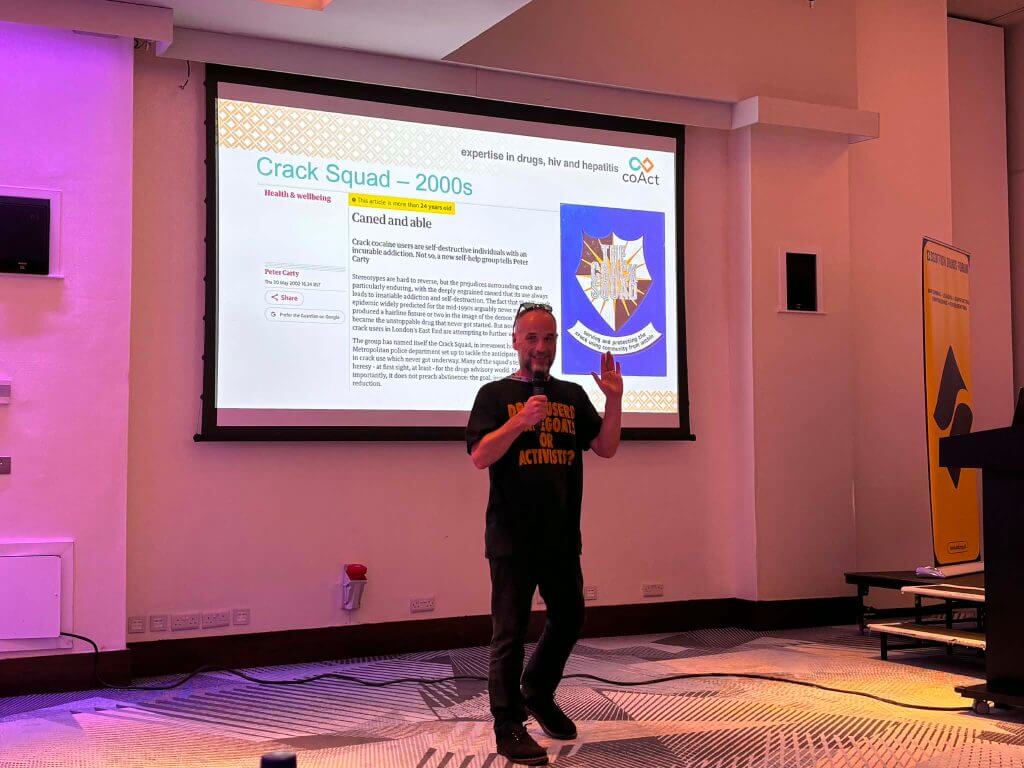
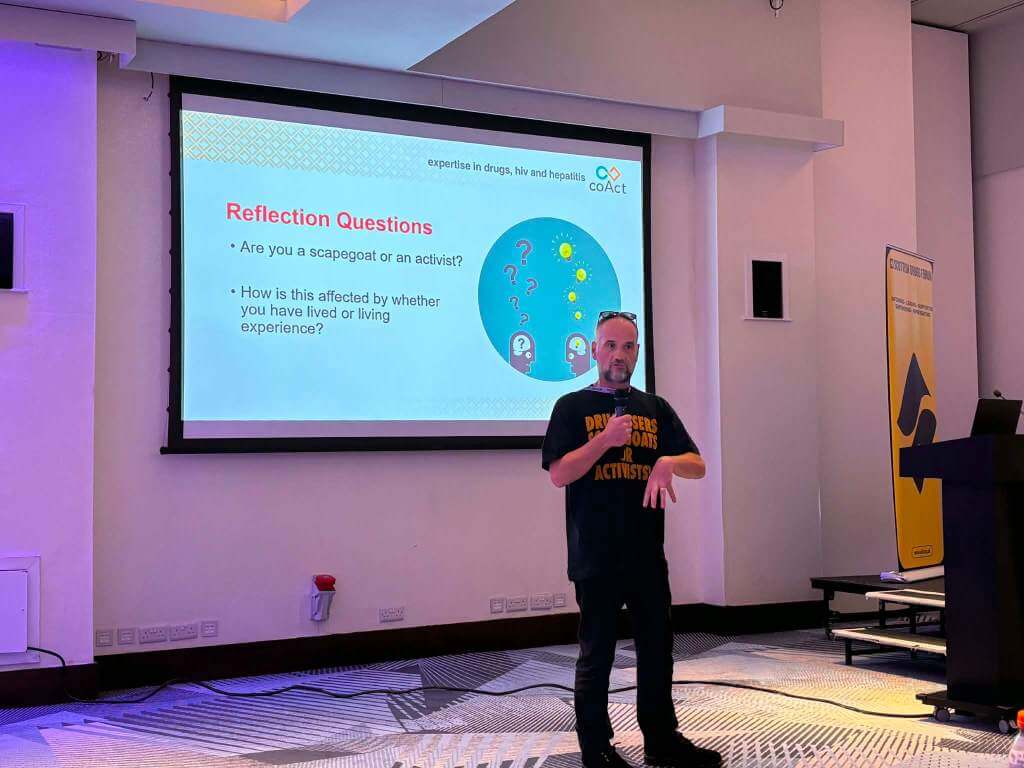
Coact consultants have led and worked in organisations that have pioneered the employment of people who use drugs in harm reduction. Coact has also provided technical support and coaching to organisations employing people who use drugs. In 2015 Coact gathered together this learning and the learning of others pioneering the employment of people who use drugs in the Frontline AIDS and Alliance for Public Health organisational network. This led to a joint technical resource – Good practice guide for employing people who use drugs. Beccy Rawnsley Coact’s Operations Manager has been building Coact’s policies and procedures and developing expertise in establishing the policy framework for community-led organisations.
Ketamine
Coact has worked with the peer pioneers of ketamine to develop a co-production in response to the UK Ketamine Crisis. The co-production brings together the champions of Generation K through the Ketamine – Peer Advisory Group (K-PAG) and supports them to influence policy, practice and research. Coact has developed a series of community-led training products to champion good practice. Mat Southwell has delivered an advocacy presentation to key policy and professional forums technically analysing the problem and championing community-led advocacy agendas. Coact has supported K-PAG to deliver two pilot festival interventions and Coact is now seeking funding for the K-PAG. Watch ketamine advocacy video here.


Ketamine
Training Products Developed for Customers
Human Rights and Drug Services
Coact has worked with the University of Essex and the NHS drugs trainer from Essex to conceive and design a training course for drug services that explores human rights from the perspective of drug workers. The course starts with an online session focussed on the international context for human rights before a second virtual session focuses on experiences and developments around human rights and people who use drugs in the UK. Coact has worked with the NHS drugs trainer to agree a course model, develop four information videos, and supporting groupwork exercises.
Online Learning Sessions
New product under development
Event Facilitation and Planning
Coact have extensive experience running learning events and supporting the meaningful participation of people who use drugs in conferences, seminars, and planning events. Coact Consultants have contributed to programme and planning committees for several different conferences. Alexei Lahov and Mat Southwell have both Chaired the Community Committee for different INHSU Conferences.
In 2026 Mat Southwell facilitated a research planning event with the University of Essex and the local commissioners, planners, providers, researchers and community members. This helped set a research agenda for the area and Coact supported the recruitment and involvement of the diversity of people who use drugs in the event.
Mat Southwell has been the trainer and facilitator for the European module of the Harm Reduction Academy since the HRA started in 2016. The European module normally ran in Kyiv Ukraine before the Russian invasion but ran in Georgia during the latest round. The Harm Reduction Academy is a key training programme for senior harm reduction leaders from around the world that runs in three regions – Europe, Africa and Asia.
Coact has experience running events with cartoon makers who help reflect back to a meeting its work and learning lessons and then amplify the lessons back to the main conference and beyound. <Example from 2019 and MDM Peer Work Event and INHSU Community Committee>
Coact and Drug User News produced a video with the African Network of People who Use Drugs (AfricaNPUD) that celebrated drug user organising in the region and welcomed participants to the INHSU Conference in Cape Town in 2025.
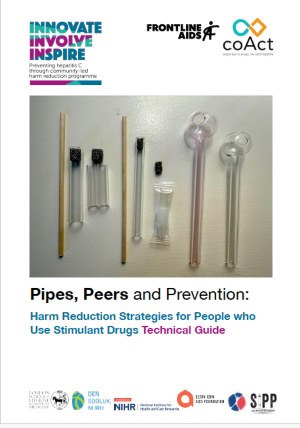
Pipes, Peers and Prevention – Harm Reduction Strategies for People who Use Stimulant Drugs Technical Guide brings together the latest technical advice on stimulant pipe distribution along with cutting edge research from the LSHTM Safe Inhalation Pipe Provision study along with country case studies from Kyrgyzstan and Indonesia. Stimulant pipe launch webinar video.
Low Dead Space Needle and Syringe Technical Guide researched and written by Mat Southwell and Alexei Lahov. The Technical Guide documents community-led expertise of implementing the Unitaid funded Low Dead Space Syringes and Needles study in low and middle income countries. The resource provides a series of country case studies exploring key lessons from the Unitaid LDSS/N study.